
The Energy Workforce of Tomorrow
Skills for a Sustainable Future
As the global energy landscape evolves, driven by the need to address climate change and transition toward cleaner sources of power, the workforce in the energy sector must adapt. At Equiliem, we recognize the significant shift occurring and understand that to remain competitive and support a sustainable future, tomorrow’s energy workforce must possess new skills. The skills gap in this sector is widening, but the opportunities to fill these gaps are plentiful. This blog will explore the skills crucial for the energy workforce as we move toward a sustainable future.
The Shifting Energy Landscape
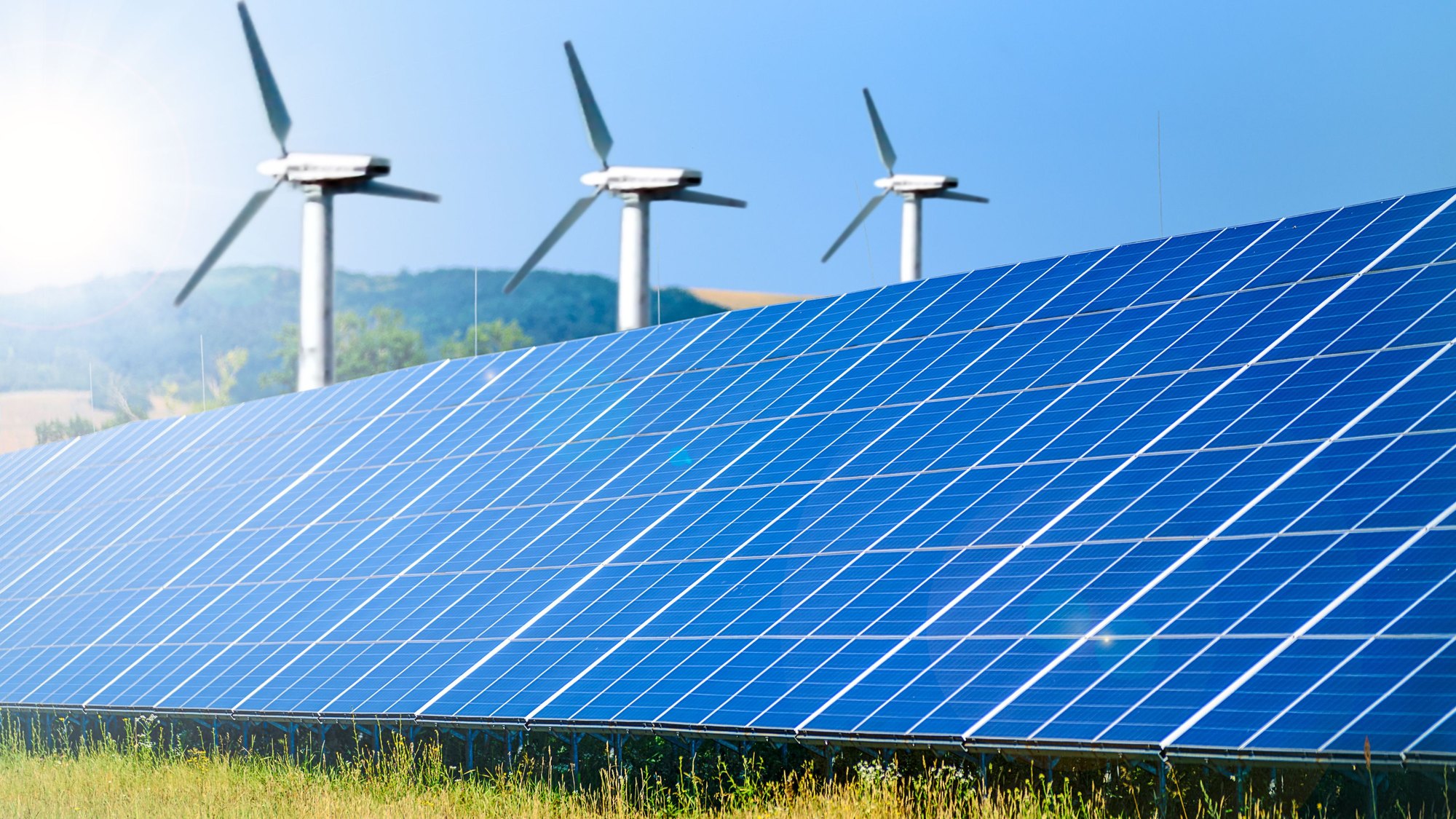
The energy sector is fundamentally transforming, with renewable energy sources such as solar, wind, and hydroelectric power gaining prominence. This change isn’t just about replacing fossil fuels with cleaner alternatives; it’s also about improving energy efficiency and adopting cutting-edge technologies that reduce carbon footprints. By 2030, the International Energy Agency (IEA) predicts the global clean energy sector will create millions of new jobs. Still, these jobs will require specialized skills that the current workforce may not yet have.
The demand for clean energy is expected to grow, and with it, there is a need for workers trained in renewable energy technologies, energy efficiency systems, and data analytics. For those entering the energy field today, there are many opportunities to contribute to this growing sector, but the workforce must be equipped with the right skills to meet these emerging needs.
Key Skills for the Energy Workforce of Tomorrow
- Renewable Energy Expertise
The demand for skilled professionals in renewable energy technologies will rise as the world continues to move away from fossil fuels. Expertise in solar, wind, battery storage, and other clean energy technologies will be at the forefront of the industry. Technicians, engineers, and project managers who understand the intricacies of these systems will be essential to successfully deploying and maintaining these technologies.
- Data Science and AI in Energy Systems
The energy sector increasingly relies on data science and artificial intelligence (AI) to improve energy management and efficiency. AI and machine learning can optimize the performance of energy systems, predict demand, and improve maintenance schedules. As energy systems become smarter, there will be an increasing need for professionals skilled in data analysis, AI development, and systems integration. Understanding how to harness big data and develop predictive models will be a key asset for workers in the energy field.
- Project Management Skills
The complexity of energy projects, particularly those related to infrastructure development, requires strong project management skills. Professionals must manage large-scale projects involving diverse teams and coordination across multiple disciplines. From regulatory compliance to environmental impact assessments, project managers must oversee every aspect of an energy project, ensuring it is completed on time and within budget.
The ability to manage projects that integrate renewable energy solutions and align with sustainability goals will be a vital skill in the energy sector. This will also involve collaboration with different engineering, finance, and environmental science departments.
- Sustainability and Environmental Impact Knowledge
Energy industry professionals must have a deep understanding of sustainability and environmental impact. With more businesses and governments setting ambitious climate goals, professionals must know how to minimize environmental footprints and ensure that energy solutions are sustainable. Environmental engineers, sustainability consultants, and energy efficiency specialists will play critical roles in reducing carbon emissions and ensuring that energy systems are effective and eco-friendly.
- Communication and Advocacy
With energy transitions comes a shift in how the public and stakeholders view the industry. Professionals in the energy sector will need strong communication skills to advocate for new policies, raise public awareness, and educate others about the benefits of sustainable energy practices. Effective communication will support new technologies, policies, and strategies in renewable energy.
Professionals who can bridge the gap between complex technical concepts and everyday language will be highly valuable. They can help stakeholders, from business executives to consumers, understand the importance of transitioning to sustainable energy solutions.
Bridging the Skills Gap
While the demand for skilled workers in the energy sector is growing, there’s a significant gap between the skills available in the current workforce and those needed for a sustainable future. To address this gap, a concerted effort needs to be made to provide workers with the right training and development opportunities.
This can be achieved through:
- Education and Training Programs: Universities, technical colleges, and online platforms must offer programs tailored to renewable energy technologies, data science, and sustainability. These programs should be designed to equip students with the skills necessary to thrive in an evolving energy landscape.
- On-the-Job Training: Companies can provide continuous learning opportunities for employees, ensuring that they stay up-to-date with the latest technologies and industry trends.
- Industry Collaboration: Collaboration between energy companies, educational institutions, and governments can help identify skills gaps and create programs to address them.
Preparing for the Future
Tomorrow’s energy workforce will need to be dynamic, versatile, and equipped with a range of technical, managerial, and communication skills. Equiliem is committed to helping our clients find and develop the right talent to build a sustainable future. As we move toward an energy future that prioritizes sustainability and technological innovation, the skills we make today will help us meet tomorrow’s energy needs.